
Jamu · Indonesian roots, shared in Boston
A little of home,
in every cup.
Jamu is Indonesia’s tradition of herbal preparations, made with roots, herbs, and spices. For me, its story begins with the woman who came to our house in the mornings.
My childhood memory · Remedy Place takeover · The photo album
Where it began for me
The woman who
brought us jamu.
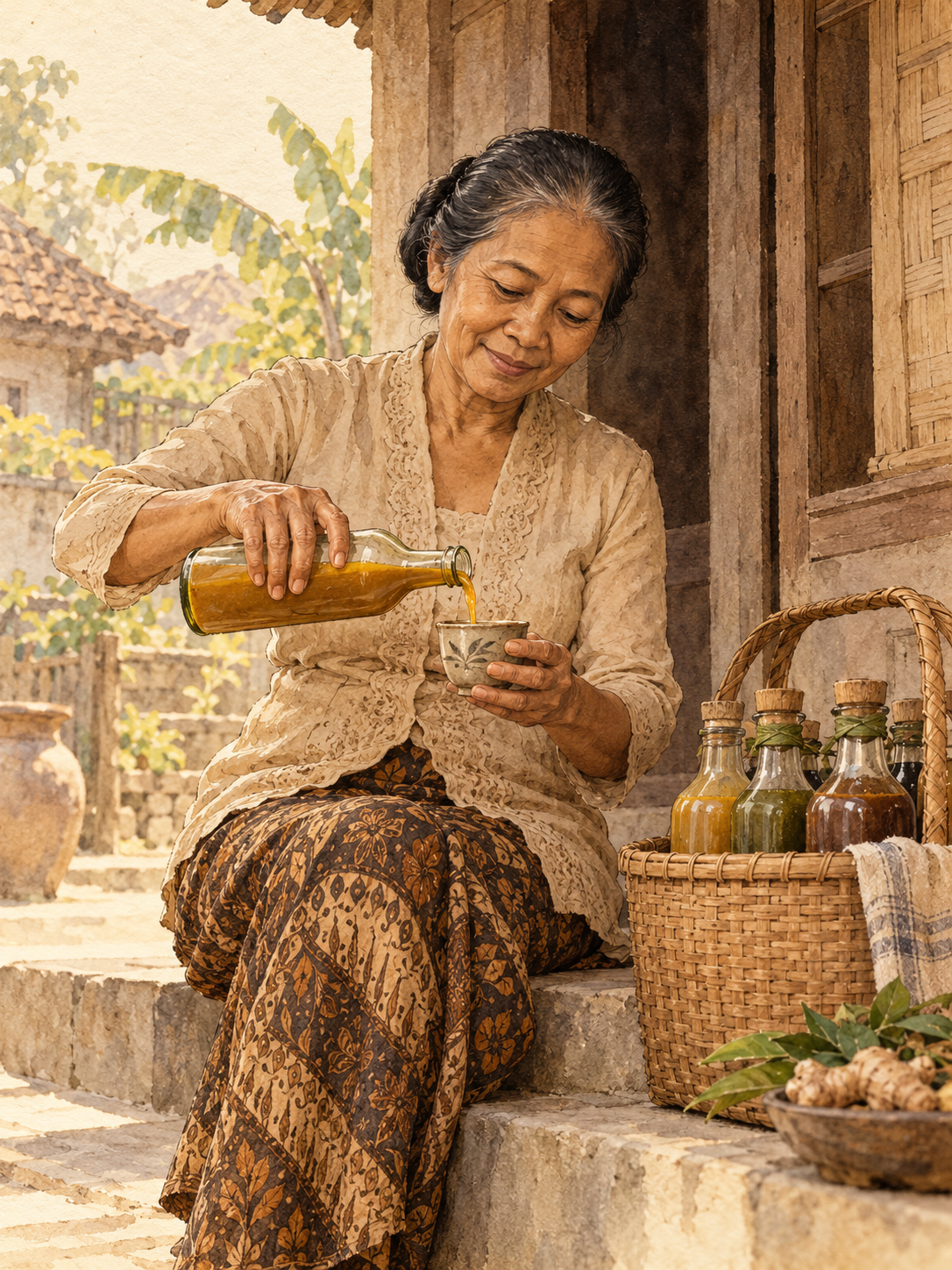
When I was a child in Indonesia, a jamu seller would come to our house almost every morning. You could also find women walking around the village, bringing jamu to the people who lived there. It was such a familiar part of life.
She would ask how you were feeling, what you wanted. Then she would mix your drink right there in front of you. As a child, I thought that was the most magical thing — watching this woman prepare a little cup just for you.
In my memory, roots and herbal drinks were woven into the way we cared for ourselves. What stays with me is not only the drink, but someone taking the time to ask how you felt, and listening before she made it.
Long before I imagined creating LURUH, jamu was already part of my life. Later, kunyit asam became part of my own postpartum care. Bringing jamu to Boston is personal for me: I am sharing something I grew up with, and the care I remember around it.
There is no single jamu recipe. Knowledge is passed through families and communities, often by women, through preparing and sharing it. The tradition is much bigger than my own story; this is the part I carry with me.
Jamu wellness culture was inscribed on UNESCO’s Representative List of the Intangible Cultural Heritage of Humanity in 2023. Explore its heritage
Why Boston
More than
a bottle to try.
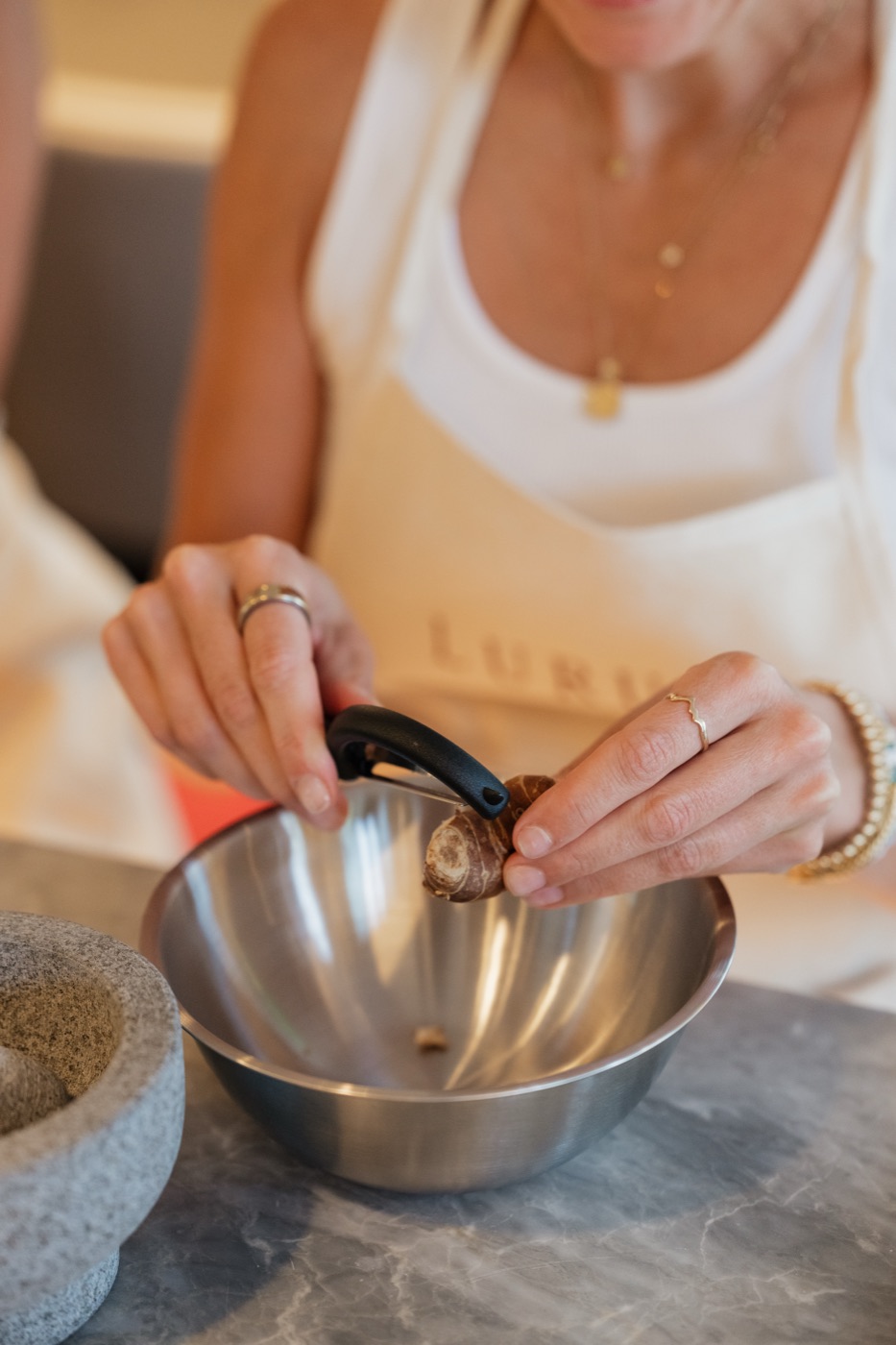
That is what I want to bring to Boston. Not just a bottle to try, but a chance to get to know the ingredients and the tradition behind it. To hold a root, smell it, learn how to prepare it, and discover a practice you can bring into your own home.
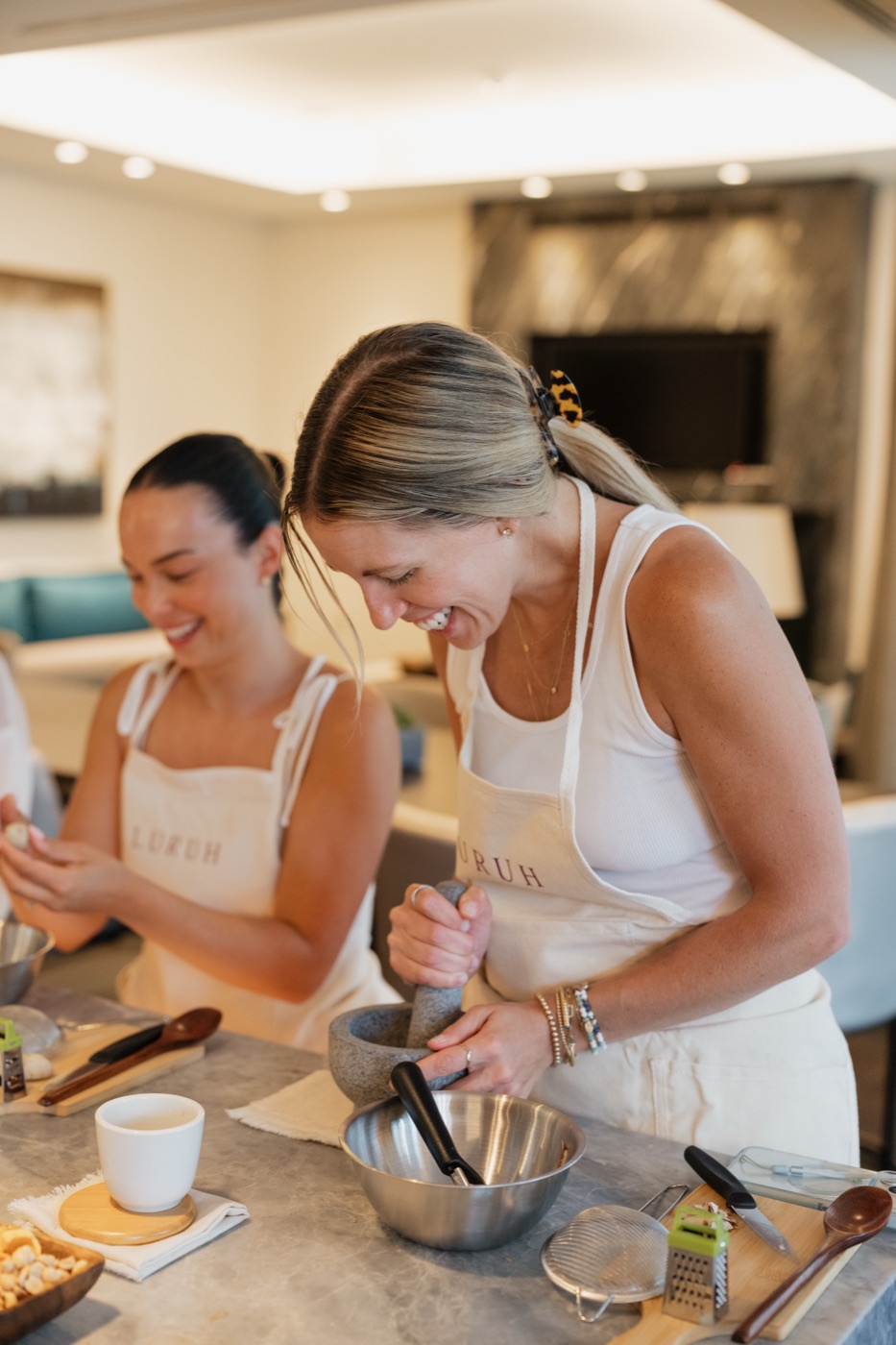
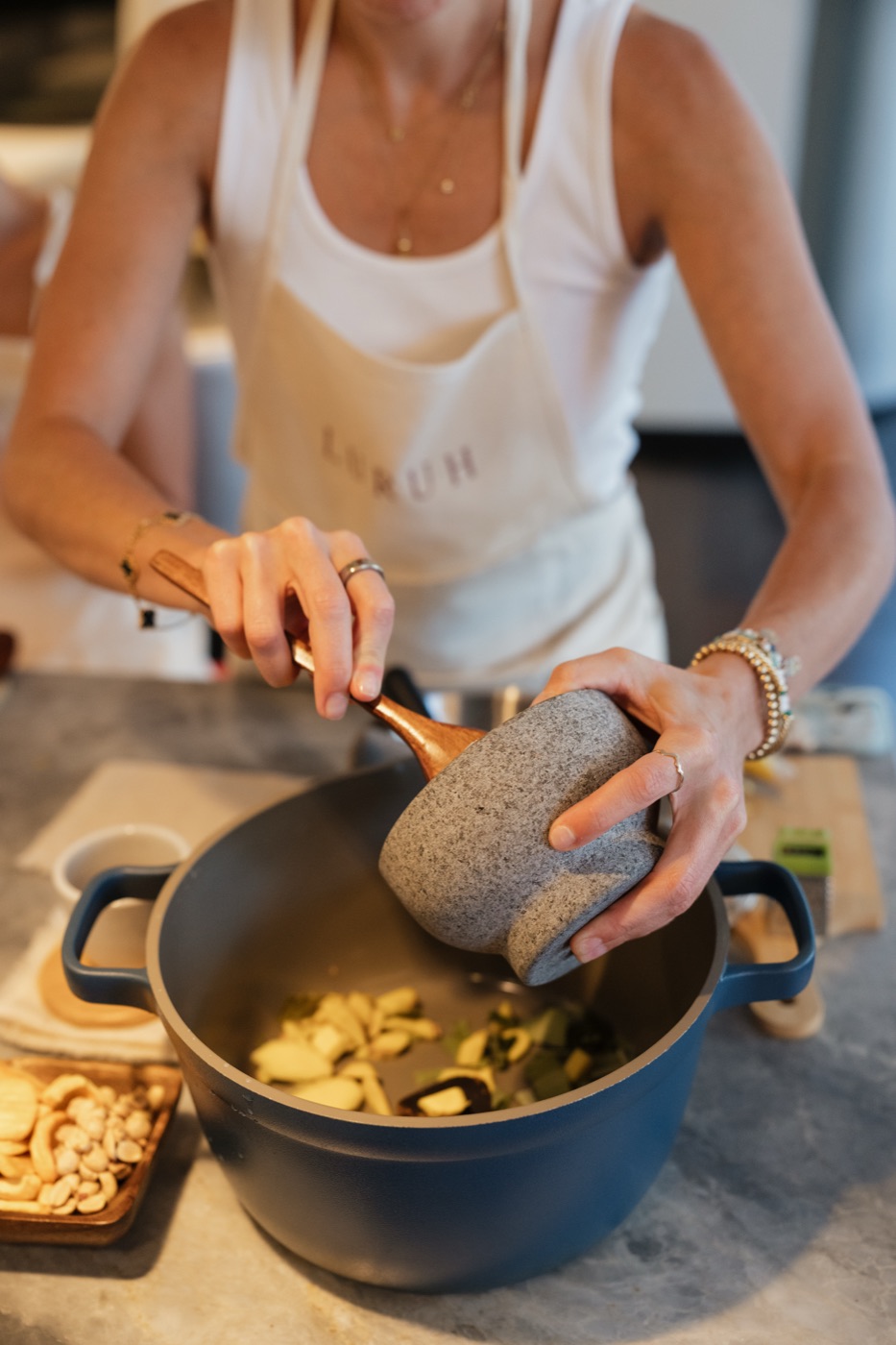
For a year now, I have been serving jamu to women here. Sometimes we share a cup at a gathering. Sometimes we sit at a table and make it together. Our hands spend so much of the day typing, scrolling, and caring for others. I love seeing those same hands peeling roots and grinding ingredients, taking time to make something for themselves.
I want women to leave with more than something they have consumed. A recipe they remember. An ingredient they recognize. A small ritual they can reach for again. To me, that is the difference between buying into wellness and making care part of your life.
In our cups
Getting to know
the ingredients.
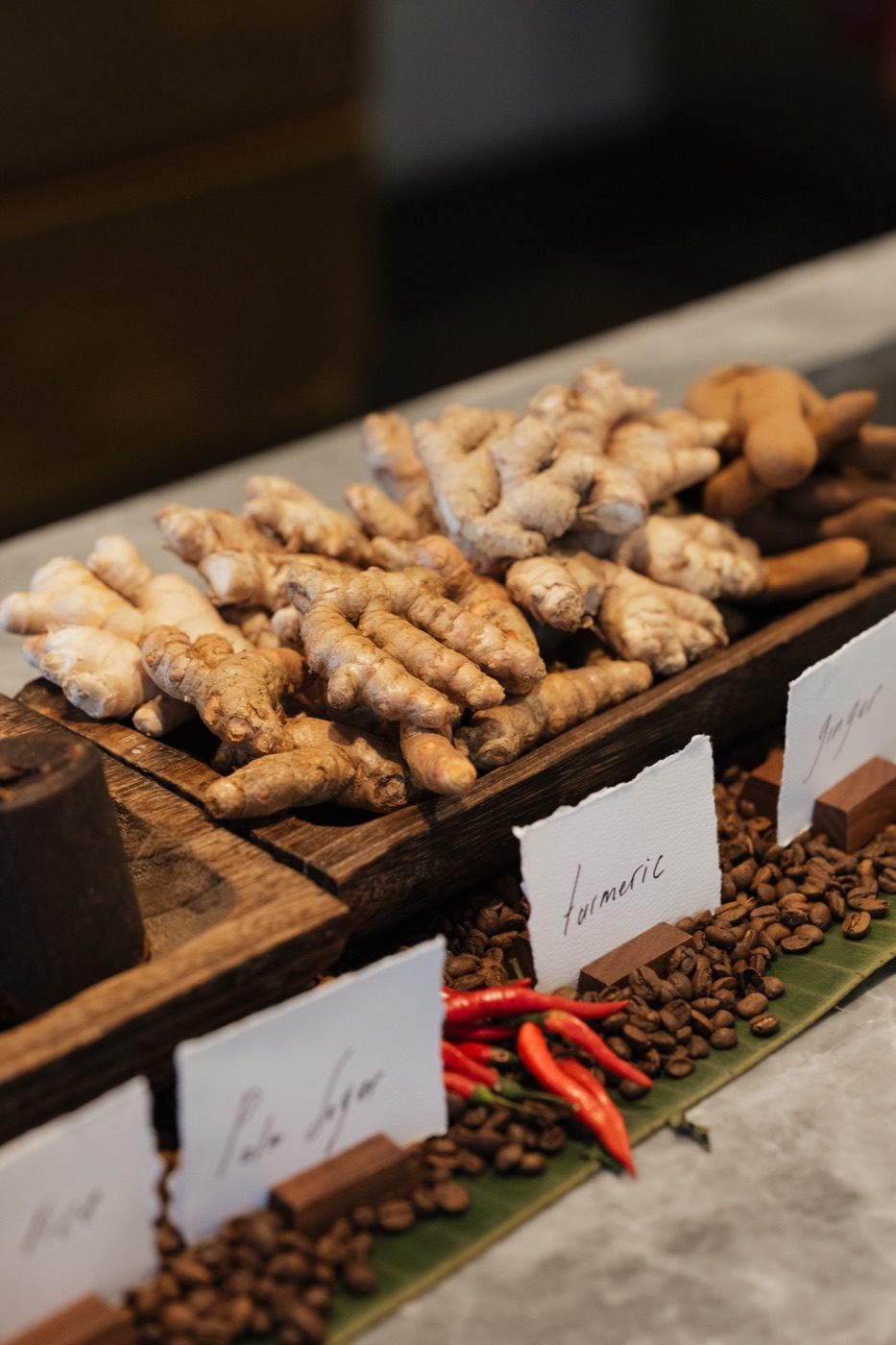
Two drinks I share are kunyit asam, made with turmeric and tamarind, and beras kencur, made with rice and kencur, an aromatic root. I introduce them through the traditional language of cooling and warming. These are cultural ways of describing care and balance, rather than promises about how a drink will affect every body.
September 19, 2026 · With gen-well
Jamu takeover
at Remedy Place.
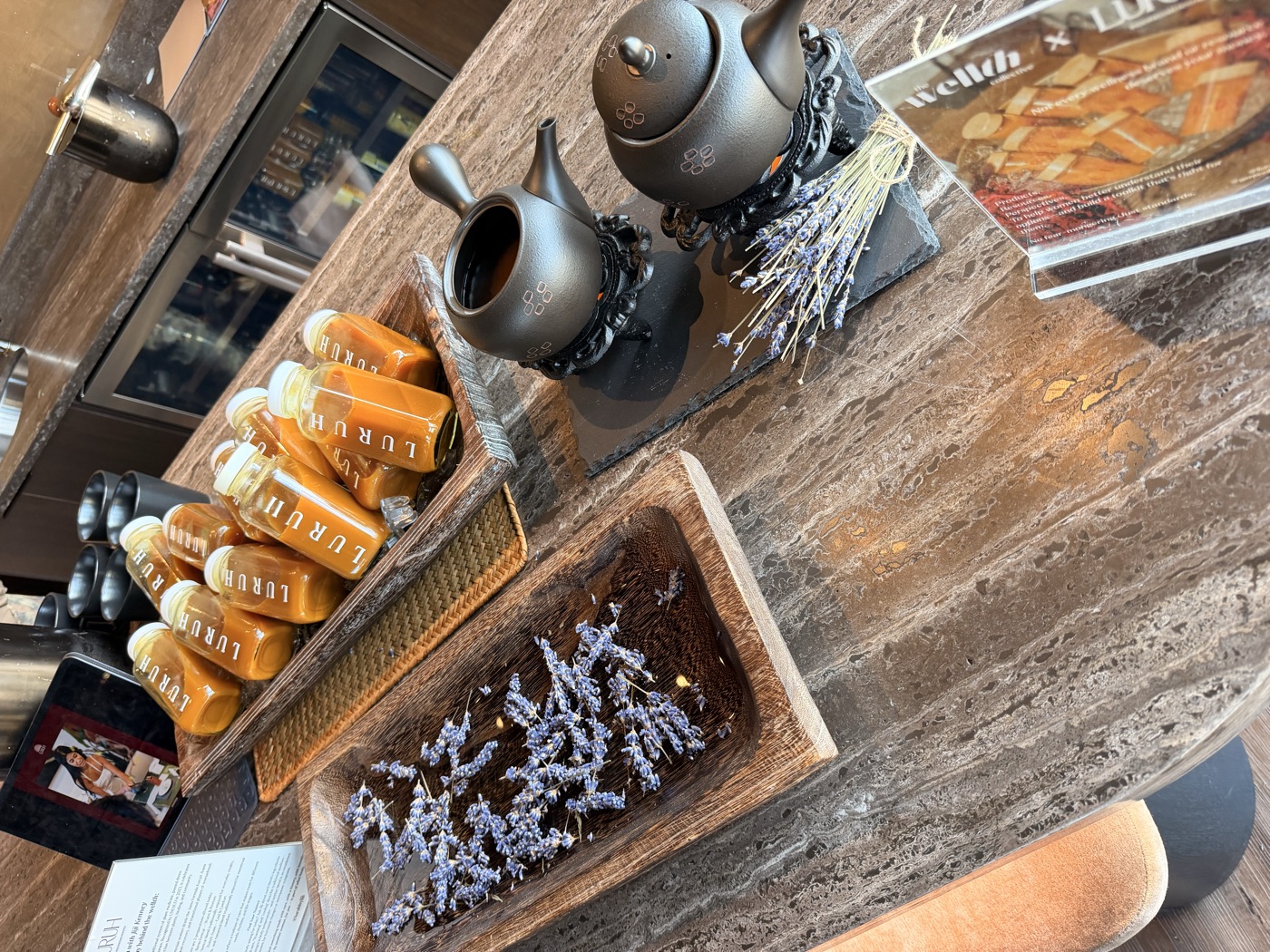
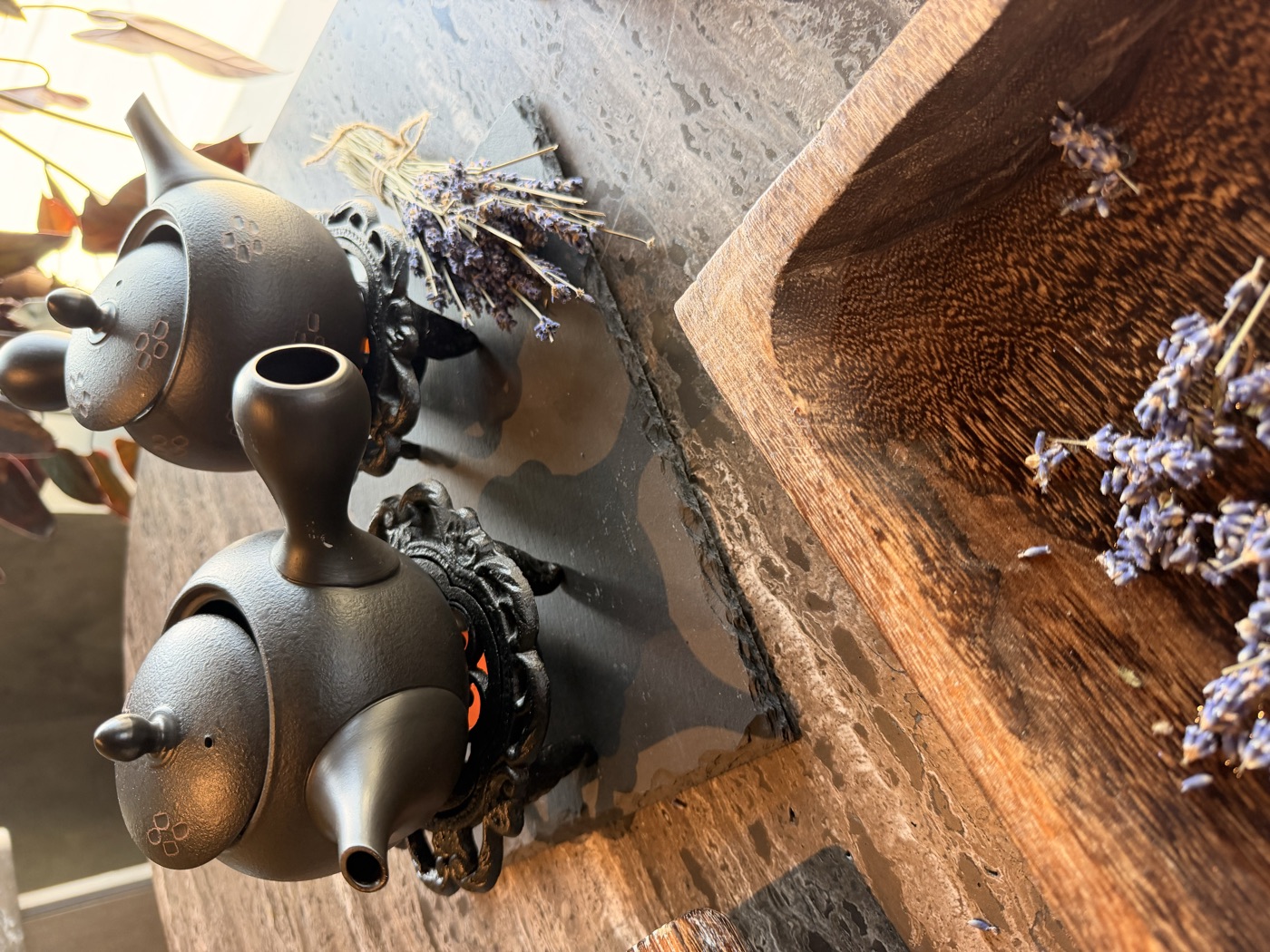
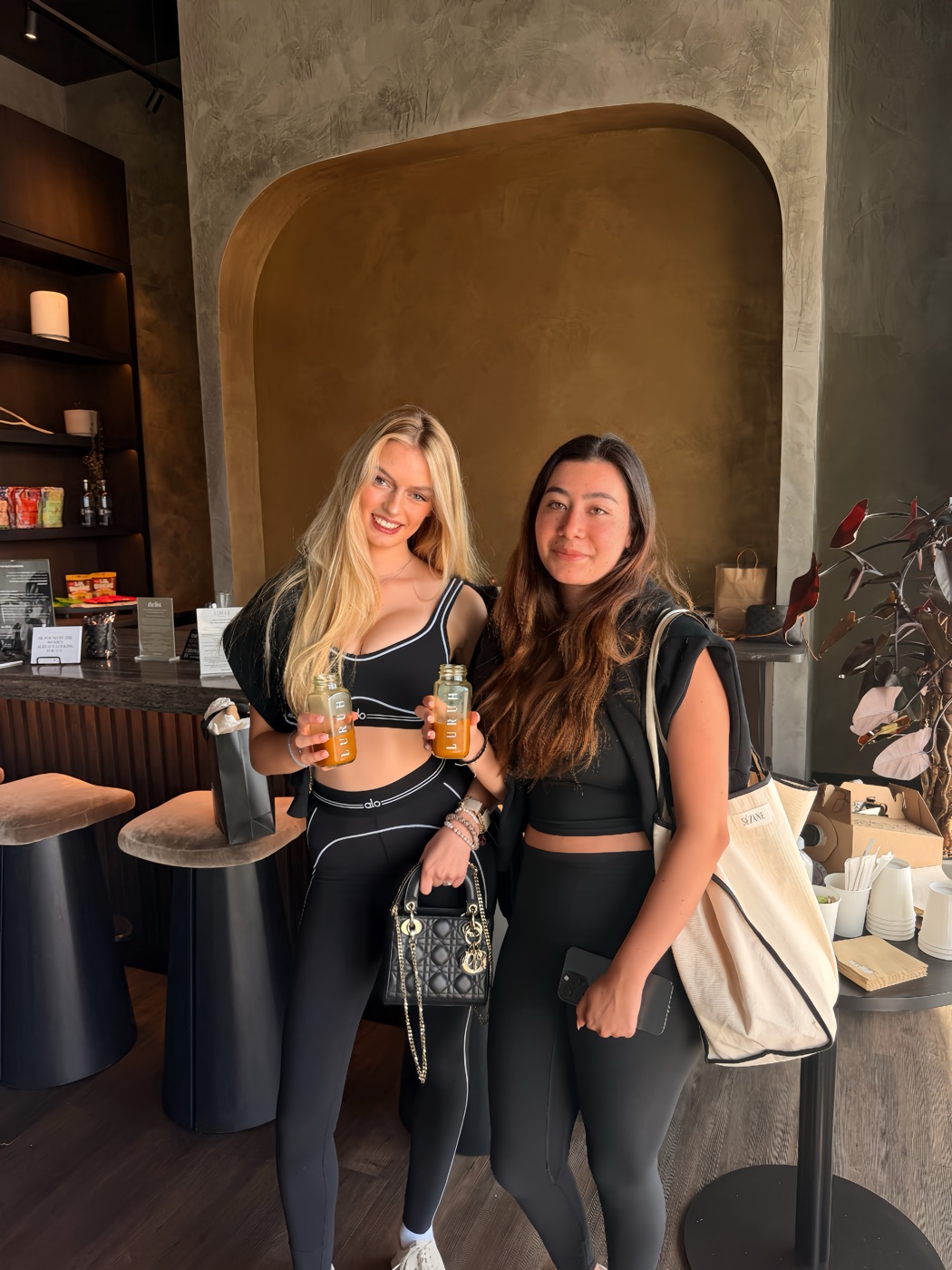
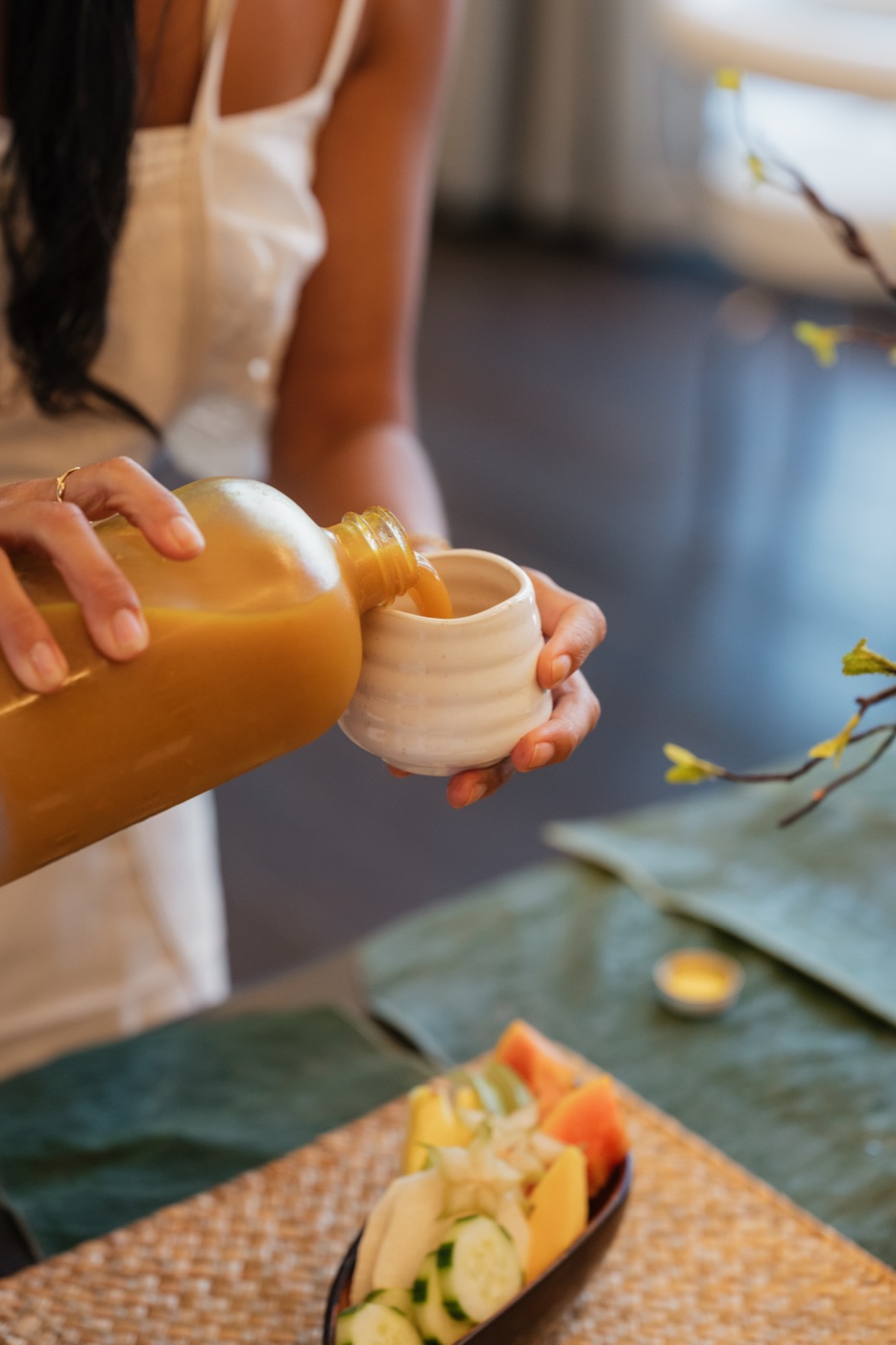
Most recently, we brought jamu to gen-well’s bar takeover on September 19. The yellow kunyit asam was ready to share, and the beras kencur was served from teapots. It was another way to introduce women here to something I grew up with — and to keep this tradition part of everyday life, far from where I first knew it.
From our gatherings and the bar
Jamu, shared.
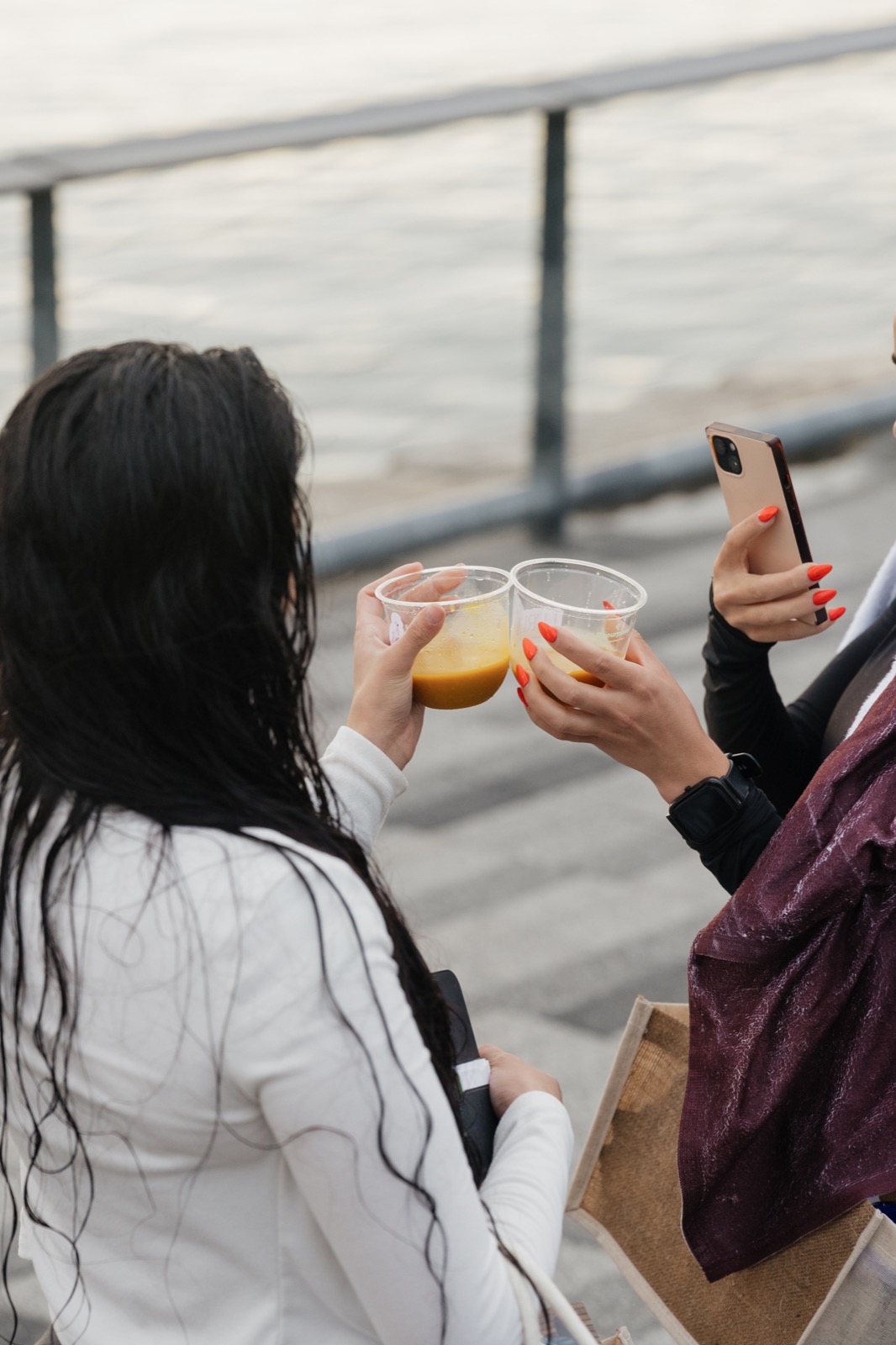
Ingredients, hands at work, and cups passed between women. Open a photo to browse the album.
3 selected moments · Open any photo to browse all 9.